



“Is my child growing normally?”
This is one of the most searched and most worrying questions parents ask—often silently, late at night, comparing their child with others of the same age.
Some children look taller.
Some gain weight faster.
Some seem slower to grow.
The truth is: growth varies from child to child, but there are clear medical patterns that help doctors understand whether a child is developing healthily.
This guide explains child growth milestones, what is considered normal, what variations are common, and when parents should seek medical advice.
What Does “Normal Growth” Really Mean?
Normal growth does not mean that all children grow at the same speed.
Instead, doctors look at:
- Steady growth over time
- Proportionate height and weight
- Achievement of age-appropriate milestones
A child who grows consistently along their own curve is often developing normally—even if they are smaller or bigger than peers.
How Doctors Measure Child Growth
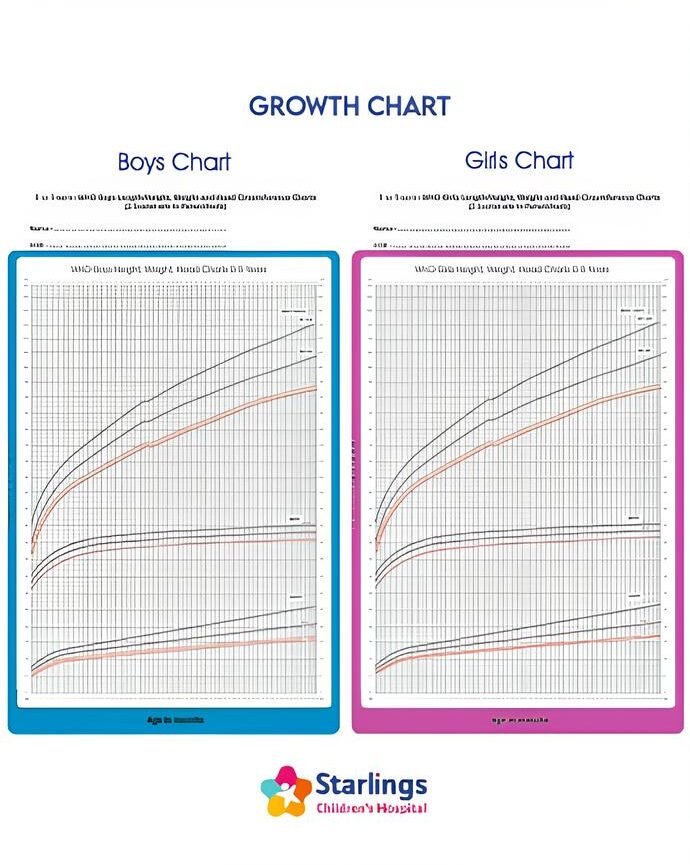
Pediatricians assess growth using growth charts, which compare a child’s height, weight, and head circumference with children of the same age and gender.
Key Measurements Include:
- Weight-for-age
- Height-for-age
- Weight-for-height
- Head circumference (especially in infants)
These values are plotted over time to see whether growth is steady and appropriate.
Understanding Growth Percentiles (In Simple Terms)
Growth percentiles often confuse parents.
- Being in the 25th percentile does NOT mean something is wrong
- Being in the 75th percentile does NOT automatically mean healthier
What matters most is:
Consistency, not the number. Sudden drops or jumps in percentiles are more concerning than staying at a lower or higher percentile.
Growth Milestones by Age Group (Detailed Parent Guide)
Understanding growth by age helps parents separate normal variation from true concerns. Children do not grow in a straight line — growth happens in phases, spurts, and pauses, all of which can be normal.
Infants (0–12 Months): The Fastest Growth Phase
The first year of life is the most rapid growth period a child will ever experience. Growth during infancy reflects overall health, nutrition, and early development.
What is considered normal during infancy:
- Birth weight usually doubles by 5–6 months
- Birth weight typically triples by 12 months
- Length increases by about 50% in the first year
- Head circumference increases rapidly, reflecting brain growth
Infants may grow quickly for a few weeks, then appear to slow down. This pattern is normal.
Temporary slowdowns can happen due to:
- Minor illnesses (colds, infections)
- Feeding changes (breastfeeding to formula or solids)
- Teething discomfort
- Growth spurts followed by rest phases
Important for parents:
Short-term changes are usually not a concern. Doctors focus on overall trend, not week-to-week weight changes.
Toddlers (1–3 Years): Slower Growth, Big Worries
Many parents become concerned during toddler years because growth visibly slows compared to infancy.
This slowdown is expected and healthy.
Normal patterns during toddlerhood include:
- Reduced appetite compared to infancy
- Selective or picky eating phases
- Slower but steady height increase
- Increased physical activity burning more calories
Toddlers often grow in spurts, not continuously. It is common for a child to show little change for months and then suddenly grow.
Key reassurance:
A toddler who is active, playful, and meeting developmental milestones is usually growing well—even if they eat less some days.
Preschool & School-Age Children (4–10 Years): Steady and Predictable Growth
During this phase, growth becomes more consistent and measurable, making it easier to track.
What normal growth looks like:
- Gradual height increase each year
- Balanced weight gain proportional to height
- Improved muscle strength and coordination
- Stable appetite patterns (with occasional fluctuations)
This stage is strongly influenced by:
- Nutrition quality
- Sleep duration and routine
- Physical activity
- Emotional well-being
Children who are under stress, sleep-deprived, or nutritionally imbalanced may show slower growth.
What matters most:
A steady growth curve over years is far more important than short-term changes.
Adolescents (11–18 Years): Puberty and Growth Spurts
Adolescence is marked by hormonal changes and growth spurts, which can vary widely between children.
Normal variations include:
- Early growth spurts in some children
- Delayed growth spurts in others
- Uneven growth (height increases before weight or vice versa)
- Temporary clumsiness during rapid growth
Final adult height often cannot be predicted accurately until late adolescence.
Early or delayed puberty can still be normal, but medical evaluation is advised if:
- Puberty has not started by the expected age
- Growth suddenly stops
- Height gain is significantly slower than peers over time
Common Parent Concerns About Growth (Explained Clearly)
“My child is shorter than others”
This is one of the most common worries.
Possible reasons include:
- Family genetics
- Late growth spurt
- Normal variation in growth timing
Being shorter does not automatically indicate a health issue. Many children grow later and catch up fully.
“My child is not gaining enough weight”
Slow weight gain may be linked to:
- Poor or inconsistent appetite
- Nutritional imbalance
- Frequent infections
- Digestive or absorption issues
Doctors assess weight gain trends, not single measurements, before diagnosing a problem.
“My child eats well but still seems thin”
Some children naturally have:
- Faster metabolism
- Lean body structure
- High activity levels
If height, energy, and development are normal, this is usually not a concern.
When Should Parents Be Concerned About Growth?
Medical evaluation is recommended if parents notice:
- No weight gain over several months
- Sudden drop in growth percentiles
- Persistent poor appetite with fatigue
- Signs of delayed puberty
- Developmental delays alongside poor growth
- Ongoing digestive problems or frequent illness
Early assessment helps identify nutritional, hormonal, or medical causes before they impact long-term growth.
Factors That Influence a Child’s Growth
Genetics
A child’s growth potential is strongly influenced by parents’ height and family patterns.
Nutrition
Growth requires a balanced intake of:
- Proteins for tissue building
- Vitamins and minerals for bone health
- Healthy fats for brain development
Sleep
Growth hormone is released primarily during deep sleep. Poor or irregular sleep can affect growth.
Physical Activity
Regular play and exercise strengthen bones, muscles, and overall development.
Overall Health
Chronic illnesses, untreated conditions, or frequent infections can interfere with healthy growth patterns.
How Growth Monitoring Helps Children Thrive
At Starlings Child Care Hospital, growth monitoring focuses on:
- Tracking long-term growth trends
- Identifying early deviations
- Providing clear, practical guidance
- Supporting both physical and developmental health
Regular check-ups help address concerns early, often preventing bigger issues later.
What Parents Can Do at Home
- Monitor growth periodically (avoid frequent comparisons)
- Offer balanced, age-appropriate meals
- Maintain consistent sleep routines
- Encourage active play
- Avoid comparing siblings or peers
- Trust gradual, steady progress
Final Reassurance for Parents
Growth is not a competition.
Children grow at different rates, and variation is normal. A child who grows steadily, remains active, and meets developmental milestones is usually healthy—even if their size differs from others.
When questions arise, timely guidance provides reassurance and supports a child’s long-term well-being.